Exam Day Mastery: Timings, Displays & Strategies
- The Student Experience — Managing Exam Nerves and Expectations + Focus Tips
- The Exam Staff Perspective — Preparation Checklist + Best Practices for Smooth Delivery
Exam day has a rhythm of its own. The air feels different; corridors are quieter, and even familiar classrooms seem to hold their breath. Whether it’s an IGCSE paper, an IB subject, or a local board test, that mixture of anticipation and tension is universal. Both students and teachers sense it — a day when preparation meets performance.
For students, those few hours can feel like a magnifying glass over months of effort. Minds race through remembered facts, little doubts appear, and time suddenly feels precious. But when the environment around you works smoothly — clear signs, steady timing, calm surroundings — it becomes easier to focus on what truly matters: doing your best. Part of that calm now comes from technology that quietly supports you in the background. Many modern exam halls use digital display systems that show accurate timings, instructions, and breaks automatically, ensuring everyone starts, finishes, and rests at exactly the right moment.
This guide begins from your side of the desk, with practical, reassuring advice on what to expect, how to manage the nerves that come naturally, and how to walk into the hall feeling ready to think, not panic.
Part One: The Student’s Experience — Clarity Over Chaos
Before the Exam:
The hours before an exam often set the tone for the rest of the day. Give yourself time to arrive early, find your seat, and settle your thoughts. Avoid long discussions about answers with friends — they rarely help, and often only raise anxiety. Instead, focus on calm rituals: organize your stationery, check your ID and candidate number, and take a few deep breaths. A clear head always performs better than a crowded one.
When You Enter the Hall:
Walking into a quiet exam room can feel overwhelming at first, but every small detail there is designed to help you. From sound levels to desk spacing, everything follows rules that make the room fair and focused. If your exam hall uses professional digital displays, you’ll notice clear timing updates and visual instructions — all managed automatically. You don’t need to keep checking your watch; just follow the signals on the screen. They’ll guide you through start times, breaks, and reminders about the remaining minutes.
Students with special educational needs (SEN) often find this system particularly supportive. Instead of relying on shouted time checks or small wall clocks, everyone sees the same information clearly and calmly — no confusion, no pressure.
Getting Into the Right Mindset:
The key is not to fight the feeling of nerves but to manage it. A little adrenaline can sharpen your focus. Think of exam day as a performance you’ve prepared for, not a test of worth. Before the paper starts, ground yourself: notice your breathing, look at the clock or display, and centre your attention on the task ahead.
A short phrase in your mind — something like “I’m ready, I know what to do” — can anchor your confidence.
During the Exam:
Let the display and invigilators handle time; your only job is to think clearly. If you lose focus, pause for a second, close your eyes, and take a slow breath. Don’t rush because others seem to be writing faster — their timing isn’t yours. Trust the rhythm you’ve practised. Look up at the display occasionally to stay on track, but avoid checking it obsessively. Each moment you spend thinking calmly counts more than a rushed guess.
A Few Do’s and Don’ts to Remember:
- Do bring everything you need — pens, ruler, calculator — and check it calmly before the exam starts.
- Do listen carefully to instructions and glance at the display when timing updates appear.
- Do not cram new information just before the doors open.
- Do not compare yourself to others in the hall.
- Do focus on clarity in your answers; stress fades as focus grows.
After Finishing:
Once you hand in your paper, let it go. Step outside, stretch, and take a moment before talking about answers. Everyone’s recollection is different, and reviewing too soon benefits no one. Appreciate that you’ve done what you could, and that’s enough.
Smart display systems keep both students and staff aligned — clear, calm, and on time. Partnered with JAExams (Professional Exam Hall Displays)
Recommended by schools worldwide — ask your exam coordinator about this setup.
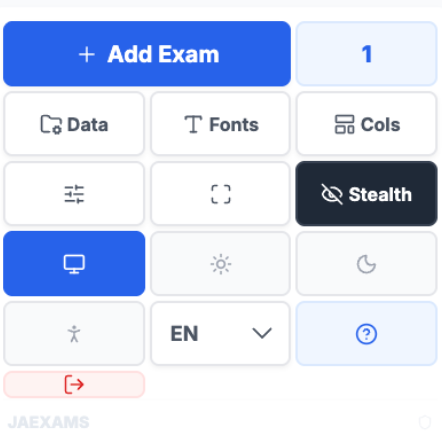
JAExams Digital Display Features That Make Exam Days Smoother and More Focused:
- Custom fonts/sizes, exam titles, rooms, boards, languages
- Dyslexia/SEN access + reading time display
- Start/stop/pause + digital clock/warnings (30 min & 5 min)
- Adaptive dark/light/colour display modes + incident log
- Stealth mode
& more...
Part Two: The Organiser’s Perspective — Managing Calm, Building Confidence
Every exam morning, long before students arrive, another group of people has already started their day: exam officers, invigilators, and school staff. Their focus is different but just as intense. They’re thinking about timing sheets, candidate lists, seating plans, and contingency plans for everything from extra paper to unexpected absences.
Even for experienced staff, exam days can create quiet pressure. There’s the responsibility of fairness, timing accuracy, clarity of communication, and student safety. A single delay or misheard instruction can ripple across a hall full of anxious students. That’s why preparation and reliable tools make such a measurable difference.
Before Students Arrive:
A calm exam hall starts hours before the first paper. Check that every display, clock, and sign is set up and visible. Make sure the digital display schedule matches the day’s papers and that the system time is synced correctly. Run through the day’s candidate lists and confirm any special arrangements for students who need extra time or separate seating.
When using a professional digital display system, much of this process becomes smoother. Timings are preloaded, updates are automatic, and last-minute verbal announcements are reduced. That frees staff to focus on supervision and student welfare instead of worrying about synchronisation or countdown errors.
When Students Begin Arriving:
The first impressions of the exam hall can set the tone for the whole session. A quiet, friendly greeting at the door, clear signage, and assured body language all communicate safety and order. Students mirror the calm of the adults around them. Even in large exam centres, one composed invigilator at the entrance can make dozens of nervous students breathe easier.
Avoid rushing, raising voices, or making abrupt announcements just before starting. Trust the system you’ve prepared — displays show correct start times, and automated countdowns reduce manual coordination. If adjustments are needed, make them discreetly rather than calling out across the hall.
During the Exam:
Once papers are opened, the focus shifts to supervision, observation, and timing consistency. Digital displays simplify this stage: one glance confirms remaining time, break periods, or warning announcements. Staff can maintain steady presence and avoid unnecessary interruptions.
Remember that professionalism under pressure is noticed, especially by students. The steadiness of exam staff helps students feel that everything is under control — an invisible yet powerful influence on their confidence.
After the Paper Ends:
Keep exits organised and voices low. A calm conclusion reinforces fairness and respect for those still working in the hall or preparing for the next session. Review any notes about timing or adjustments immediately after, while details are still fresh. Systems that log timing data automatically make this process smoother and more accurate for reports or reviews.
A Few Do’s and Don’ts for Exam Staff:
- Do arrive early enough to check all technical and physical setups without hurry.
- Do greet students positively; short, calm phrases work best.
- Do trust automated display systems once configured, reducing the need for timing calls.
- Don’t change instructions spontaneously — consistency matters more than speed.
Don’t assume students understand every announcement; visual clarity often helps more than repetition!
The Shared Goal
When both sides of the exam experience — student and organiser — move through a clear, confident routine, exam day becomes more than just a test. It becomes a demonstration of teamwork, planning, and mutual respect. Students can focus entirely on their performance, while staff maintain fairness and composure.
That’s the quiet power of thoughtful preparation, modern display technology, and human empathy working together — creating an environment where everyone, in their own way, succeeds.
Shared Calm, Shared Success
Exam days test more than knowledge — they test preparation, communication, and composure. When each person understands their role, the day unfolds with quiet precision: students focus on their performance, staff guide the process with confidence, and systems in the background keep everything moving smoothly.
The calm atmosphere created by structure and clarity benefits everyone. It reminds us that successful exams are never the result of chance, but of people and tools working together — prepared, steady, and united by the same goal: helping learners show their best work in the fairest conditions possible.
If your school is looking for a smoother, calmer exam experience for students and staff alike, explore how JAExam’s digital displays can help create clarity and confidence from the first bell to the final submission.
Try the app: Visit JAExams (our trusted partner) for a free demo or setup guide. Get an overview with 'Classic Display' and try the app's customisable features for your school/ exam centre by selecting 'Vision Display' to launch interactive demo. Scroll down for detailed features. | jaexams.com